Skip to Content

Open Medicine: because health care information belongs to everybody

Read More:
« prevnext »

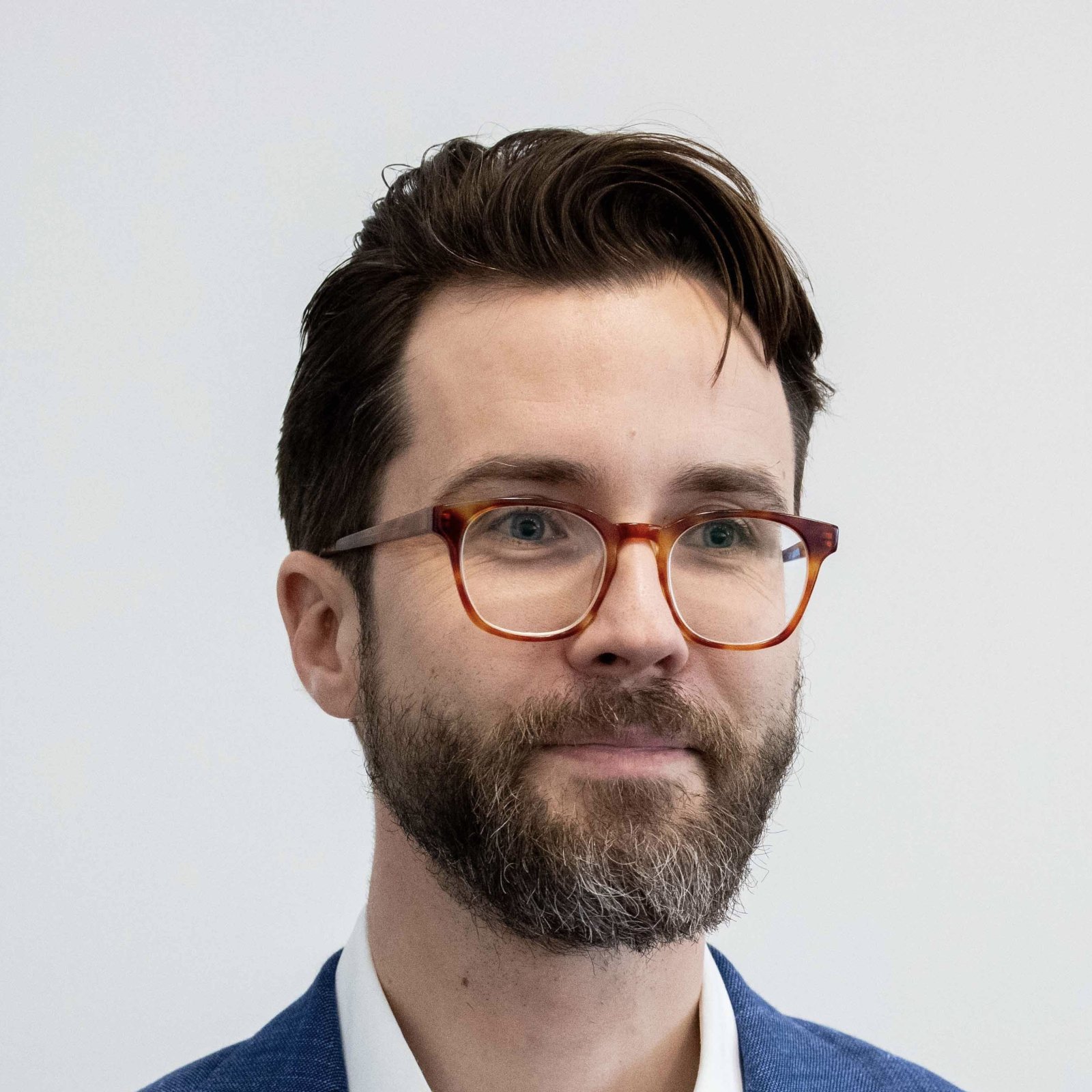
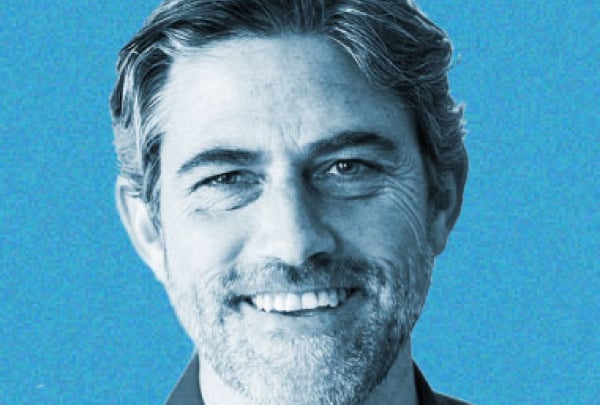
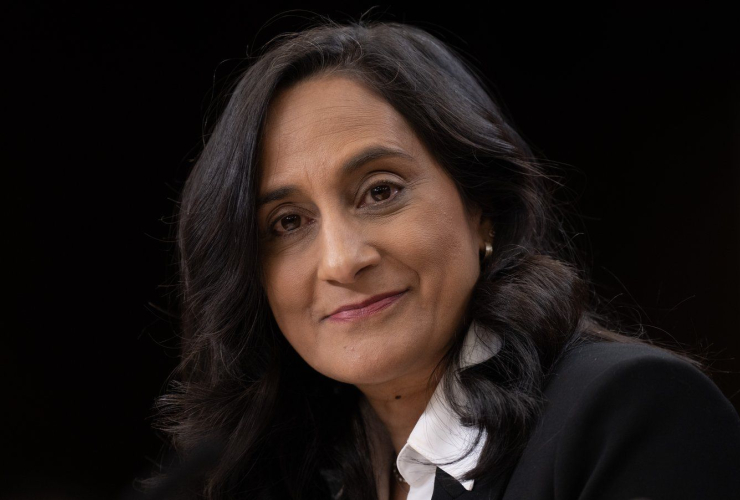
Open Medicine editor Anita Palepu: health care information should belong to all of us.

Parents' stress alters children's genes” blared the headline on the front page of the Vancouver Sun last week. 
Interested readers learned that “stressed-out parents may be permanently altering their children's genes” and that the UBC study “revealed that parents' stress levels when their children were young leaves an imprint in their offspring's genes that lasts into adolescence and potentially longer.”

This story, like many about scientific and medical discoveries, originated with a news release sent out by a university public relations department, eager to get the name of their institution -- and its researchers -- into the news. The news releases in turn rely on interviews with the researchers, who, in turn, simplify and summarize for the lay public results that they’ve published in an academic journal. Rarely is there a link to the original study or hints that the study might have any limitations.

For example, the story about parental stress and children’s genes referred to a study published in an academic journal called Child Development, but if a reader wanted to check out the original article, they would have had to:

  1. Find the Child Development website (there’s no link from the Sun story)
  2. Search for the article (good luck, given that the Sun didn’t give the name of the main author -- a non-UBC professor -- or the title of the article)
  3. Register for an account with Wiley, the publishers of Child Development
  4. Respond to a confirmation email from Wiley
  5. Go back to the Wiley website and enter a billing name and address
  6. Enter credit card information and pay US$35 plus $4.20 sales tax
  7. Download the article


Given the number of newspaper, magazine, television and web stories citing academic studies, it can get very expensive for the average person who wants to evaluate these stories for themselves.  More seriously, someone who has been diagnosed with an illness would face considerable cost and frustration trying to evaluate information on their condition and possible treatment.

If you do have the time, the patience and the money to look at the original studies, often you find they are based on small and or unrepresentative samples. The results are often less conclusive and much more tentative than the mainstream media story implies. Worse, sometimes the studies are partially or wholly funded by outside sources with a vested interest in the study. But you'd never know unless you broke through the paywall set up by the academic publishing industry -- an oligopoly consisting of just a few large for-profit publishers, according to George Monbiot in the Guardian.

Monbiot's story focuses on the cost of this oligopoly for universities. For example, he notes, one journal, Elsevier's Biochimica et Biophysica Acta, costs $20,930 per year for a subscription. Others are less expensive, of course, but still cost thousands. Journals consume 65% of university library budgets, Monbiot says, forcing them to cut back on other acquisitions.

But cracks are beginning to appear in the academic publishing oligopoly, thanks to dedicated volunteers like UBC professor Anita Palepu, an internal medicine specialist at St. Paul's Hospital.

Open Medicine

Palepu is the editor and one of the founders of Open Medicine, an open-access, online medical journal. Palepu already works long hours as an internal medicine specialist at St. Paul's, as a professor in UBC’s Faculty of Medicine (her research interests are urban health, addiction treatment, HIV/AIDS, housing and homelessness and quality of life) and as a mother to two young daughters. Why has she voluntarily added to her workload by editing an online journal?

Comments