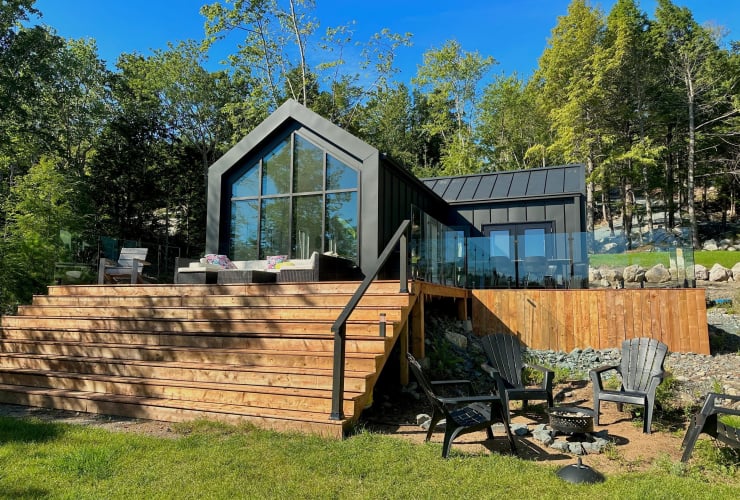
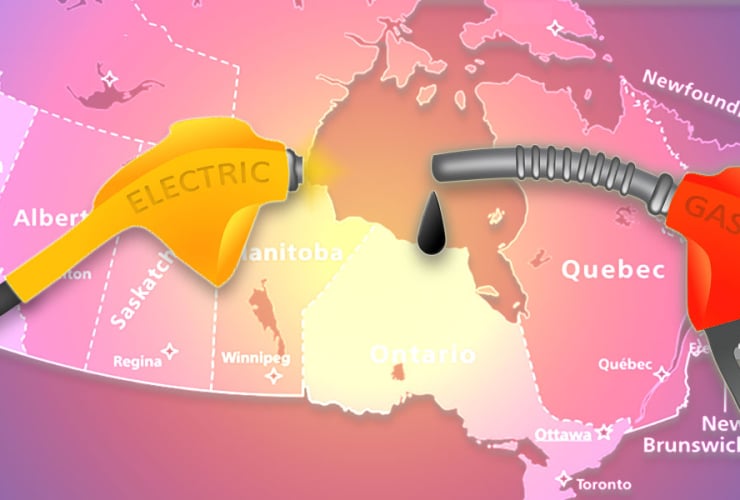
Powering Up Nova Scotia’s impressive push towards electrification The province’s municipalities are transitioning to EVs as quickly and smoothly as a challenging market will allow. Zack Metcalfe
Negotiating survival Plastics industry treats Indigenous lands as ‘sacrifice zones’ Representatives from the Aamjiwnaang First Nation say they are bearing the brunt of environmental racism in Chemical Valley, and are in Ottawa to push world governments to give Indigenous nations a seat at the table as negotiations for a global plastics treaty unfold. John Woodside A sign for the Aamjiwnaang First Nation Resource Centre is located across the road from NOVA Chemicals in Sarnia, Ont., on April 21, 2007. (CP PHOTO/ Craig Glover)
Craig Hodge, Christina Seidel & Natasha Tucker We never stopped saying goodbye to single-use plastics
Canada can thrive and achieve climate success with or without a carbon tax For climate policy experts, the carbon tax was always meant to be part of the solution, not the dominant climate policy. Bruce Lourie
Race Against Climate Change Germany and the U.K. have cut their climate pollution in half. Here’s how Canada stacks up They’ve been cutting emissions for decades. When are we going to do our fair share? Barry Saxifrage
Race Against Climate Change Prime Minister Brian Mulroney set Canada’s first climate target, way back in 1988. Are we there yet? Barry Saxifrage
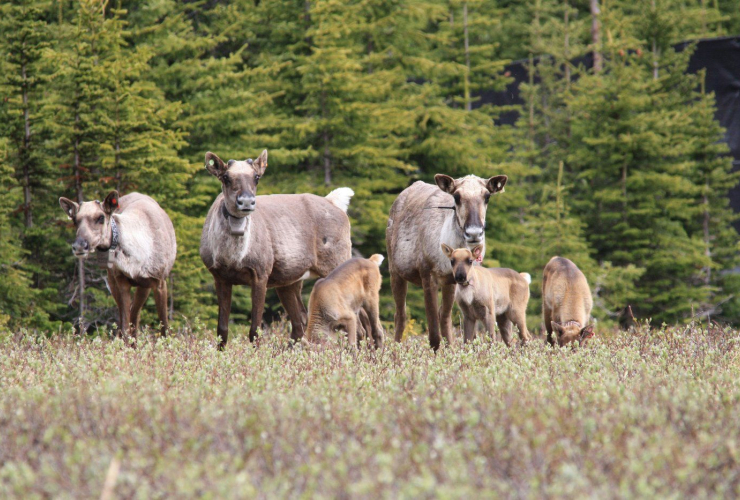
The Canadian Press Large study shows caribou herds in Alberta, B.C., growing from wolf culls, cow pens