Skip to Content

New oilsands monitoring strategy not enough, say environmentalists

Representatives from Greenpeace and Pembina Institute say the three-year implementation plan leaves too much room for error, and an independent commission is needed for credible monitoring.

Read More:
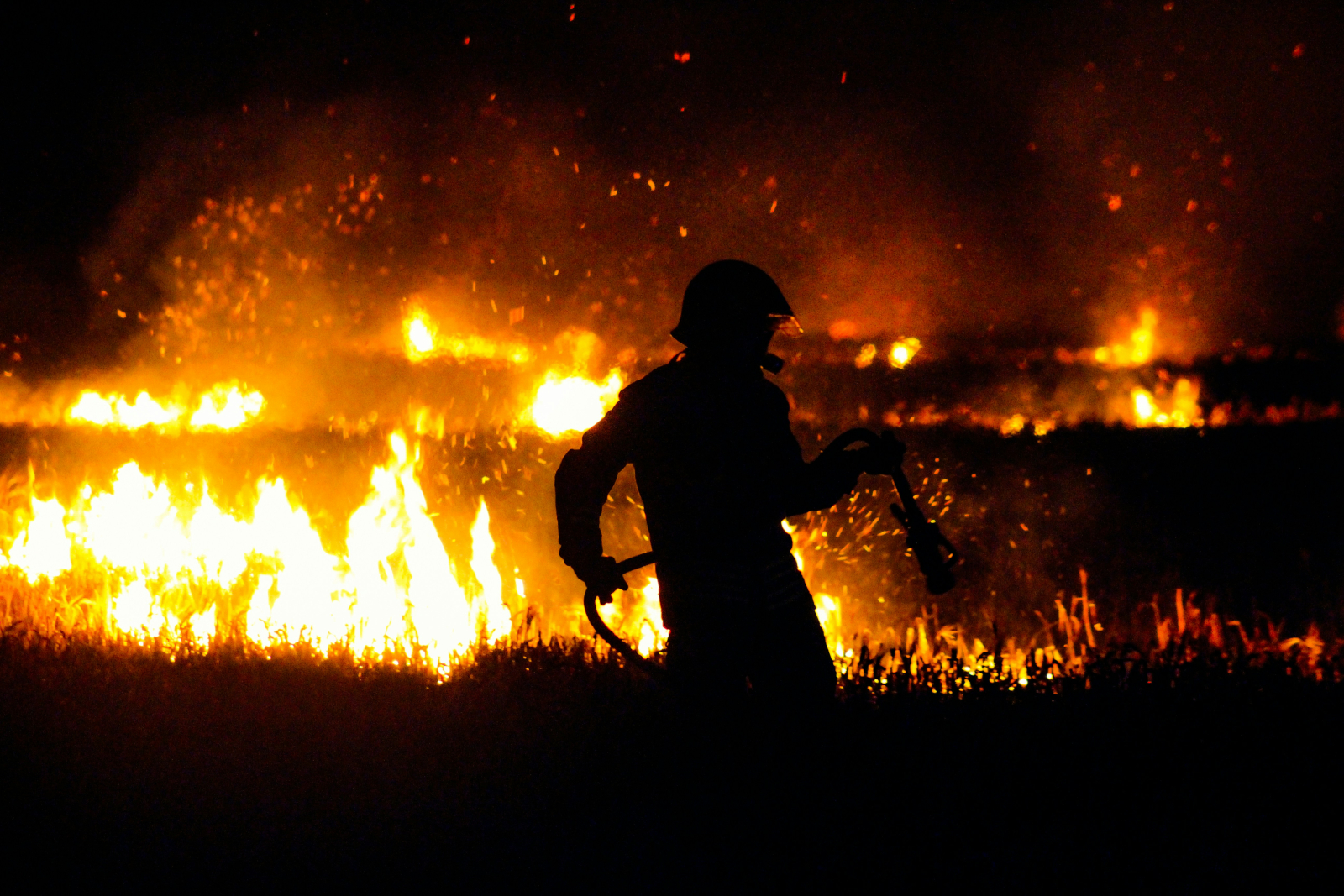
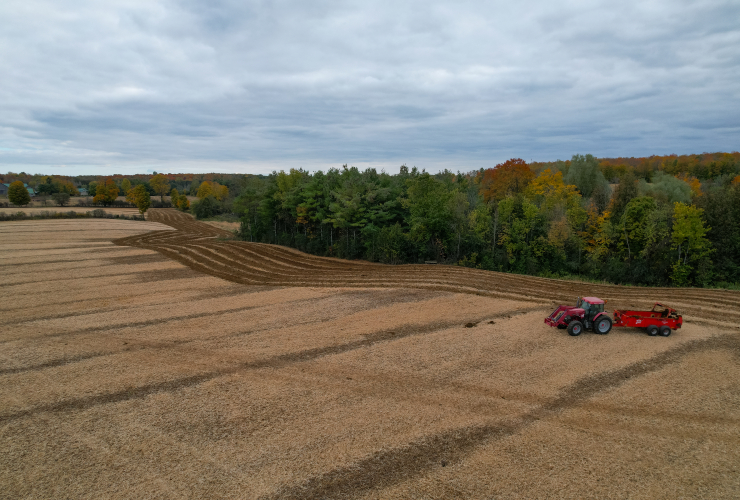
Photo of Fort McMurray oil sands operations by Eryn Rickard

Environment Minister Peter Kent joined Alberta’s Minister of Environment and Water Diana McQueen today to announce a new strategy for scientific monitoring of oil sands operations, but environmentalists say the government’s plans fail to address a few key issues.

During a press conference held at the University of Alberta, Ministers Kent and McQueen introduced the joint federal-provincial plan as a “world class, science-based” program for collecting and analyzing environmental data.

“This comprehensive, shared program optimizes already-existing provincial and federal environmental monitoring for water, air and biodiversity, and is being carried out in an efficient manner as we utilize current infrastructure that is in place. But it also goes well beyond that—we will be monitoring in more places, more frequently, for more substances,” said Kent.

The announcement comes months after a report submitted by a government-appointed panel, which made a number of recommendations to improve the current system. Officials say the new strategy was designed with those recommendations in mind, and was also based on extensive consultation with key stakeholders.

Improvements announced today include increased sampling sites and parameters, more frequent testing, and a more accessible data management program that makes important information available online. However, representatives from environmental groups like Greenpeace and the Pembina Institute say the new plan leaves some vital concerns unaddressed.

“I think there are three major flaws with the government’s announcement today,” said Greenpeace oil sands campaigner Mike Hudema.

One of those flaws, he says, is that the monitoring process will still be primarily carried out and controlled by government agencies.

“One of the major recommendations of both the federal and provincial panels was that the body that oversees and runs this entire program would be an independent body. And the reason for that is because the Alberta and federal governments both have huge credibility issues when it comes to providing reliable and truthful information to the public,” he said.

According to Hudema, the effectiveness and transparency of the process is compromised when the information comes from a government accused of muzzling climate change scientists. And while Environment Canada says an independent commission is in the works, the ministers could not say when such a body could be expected to be operating.

“More data on the impacts that the tar sands are having on our water, on land and downstream communities is good, but not if it has to go through the Harper and provincial government spin machine before it comes out to the public. So that’s a major concern that we have,” Hudema said.

Another issue he pointed out with the new strategy has to do with its timeline. Officials said full implementation of the monitoring program will not be complete for another three years, at which point there will be an external scientific peer review of the process. But despite these delays in implementation, new oil sands projects are still continuously being approved.

“There’s a lack of commitment from the provincial and federal governments to put some type of moratorium of new development in place while this monitoring program is set up,” said Hudema.

“To me, it seems a very rational and pragmatic approach to put a cap on development and to not approve new projects while we find out the extent of the damage that has already been done.”

Groups like Greenpeace are worried about the environmental impact increased development could have during the three years it takes to get new monitoring off the ground. Hudema noted the fact that Exxon recently announced plans to double their tar sands operations, while Shell has plans to create a brand new mine project in the next few years.

“We have more and more reports from First Nations communities and from scientists about disturbing amounts of fish being found with cancerous tumors and lesions on them, and also reports in larger animals like moose,” said Hudema.

“If new projects are constructed and approved, that damage can very quickly either double or triple in the next three years. If we’re already in a crisis situation, that’s completely not acceptable.”

Jennifer Grant, oil sands program director at the Pembina Institute, said the organization is optimistic about the government’s attempts to improve monitoring. However, she did agree with some of Hudema’s concerns.

“We’re certainly glad to see the federal and provincial government work together on this,” said Grant.

“But there are definitely some concerns from the Pembina Institute’s perspective with regards to the short term. If the implementation of this plan is to take place over the next three years, what happens to projects that are proposed in the meantime? There are a number of projects that haven’t yet begun construction, that have been approved but are based on flawed information.”

Grant said projects like Shell’s, which are at the front of the cue for new oil sands development, have been discussed until now using imperfect data from the previous monitoring program. With no moratorium in sight, it’s unclear what impact newly collected data will really have on policy and regulation.

“Monitoring is necessary, but it’s not sufficient on its own. Until monitoring is equipped with a regional land use plan that puts limits in place for air, land and water, and until we have a regional disturbance limit on how much development can occur at any one time…it’s actually not going to change a whole lot,” Grant explained.

“It’s like installing a smoke detector in a community with no fire department. Your smoke detector will go off, but the house will still burn down.”

During this afternoon’s announcement, Minister Kent insisted that the purpose of the new monitoring strategy was to identify problems and then use facts and science to fix them, presumably with the help of necessary policy changes. But when asked about the tar sands’ negative reputation in places like Europe, Kent admitted to an added benefit of the new system—extra credibility for an industry facing intense public opposition.

“The more robust facts and science with regards to responsible oil sands development will allow us to counter some of the more outrageous expressions of criticism and financially damaging mischaracterizations of our development of the oil sands,” said Kent.

From the Ministry’s perspective, more data means more credibility. But Hudema maintains that to achieve real credibility, the body collecting and distributing that data must be separate from government and industry players.

“The fact that they didn’t make this a completely independent body to start, to me it shows that it’s potentially more of a public relations exercise than really trying to get to the bottom of just how much damage the tar sands are causing,” he said.

Comments