Skip to Content

Open source city: the future of Vancouver’s urban landscape

Read More:
« prevnext »

When we talk about urban landscape, we usually think about grand 19th-century interventions like Frederick Law Olmsted’s Central Park or Haussmann’s epic re-engineering of the avenues and boulevards of Paris. In the modern, industrialized city, the design of the landscape is left to professionals; city planners, engineers and architects, whom we expect to have the agency and vision to accomplish this complex task.
But is this really the right way to go? 

 
What would it look like if we freed up parts of Vancouver’s urban environment from the control of conventional planning and sat back and watched what happened? The results could surprise us, and might not be as bad as we fear. 
 
Like many cities, our highway rights of way and abandoned industrial lands would get covered in vegetation almost as soon as we turn our backs, softening the outlines of our architectural ruins and hiding our trash. Though the topsoil may long ago have been scraped away and the earth covered in concrete, this terrain vague soon gets colonized by a specially adapted cast of native and exotic species, which thrive on disturbance. For them, our rubble is just so much slow-release fertilizer; our wastelands, a virgin habitat. 
 
And it’s already happening. We’ve all seen these areas of urban savanna; the psychedelic yellow expanses of Scotch broom and forbidding thickets of Himalayan blackberry, interspersed with fragrant groves of cottonwoods and birches. On damper sites, alders and big-leaf maples grow lushly, mixing in with runaways from cultivation, such as filberts, Daphne shrubs and even hop vines that twine up from the sediments of long-vanished breweries. Feral apple trees sprout up under bridges from tossed-away cores, and Spanish bluebells carpet the gullies among the rusting shopping carts and construction debris.
 
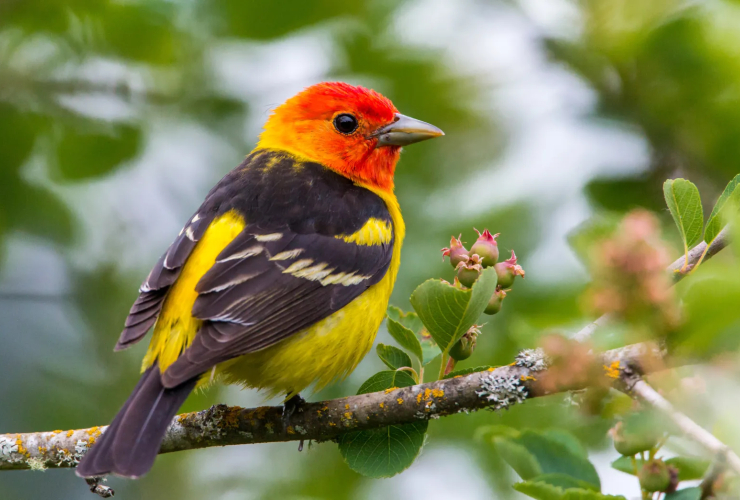
Though non-native species are a permanent part of these co-mingled meta-ecologies, many plants and animals that are indigenous will hold their own and even thrive here. In the most desolate of Vancouver’s industrial zones, I’ve seen white-throated sparrows, goldfinches and northern flickers flitting through shrubbery of European and Asian origin, while native red-tailed hawks soar over weedy railway corridors, hunting for Norway rats and pigeons. In the same neighborhood, bald eagles have set up a nest just a hundred meters from a fume-spewing paint plant, and after dark it’s not uncommon to spot a coyote, sauntering past the warehouses and factories.  
 
Though perhaps untidy and a little unpredictable, I believe we need these interstitial places to keep our cities healthy. Such ‘temporary autonomous zones’ and non-intentional parks challenge our pervasive sense of self importance, of needing to know exactly what’s going to happen next.


(1) Comments

Bernadette Keenan June 20th 2011 | 12:12 PM

I recently discovered a wonderful location that I think perfectly fits the description of the spaces you are identifying here.