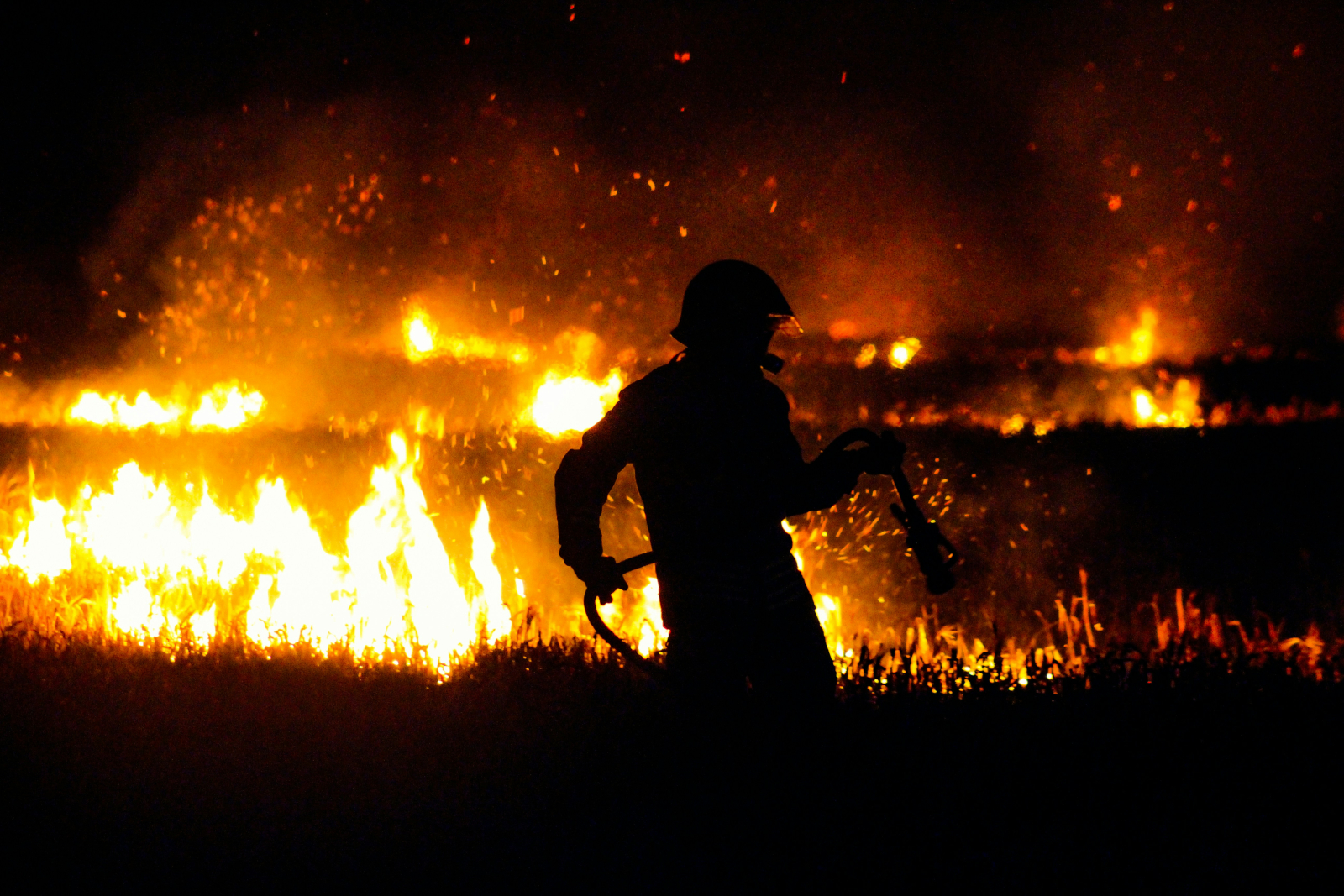
As climate risks rise, so does your insurance bill Extreme weather is contributing to a rise in insurance premiums, which can price out people in frequent fire and flood zones. Isaac Phan Nay
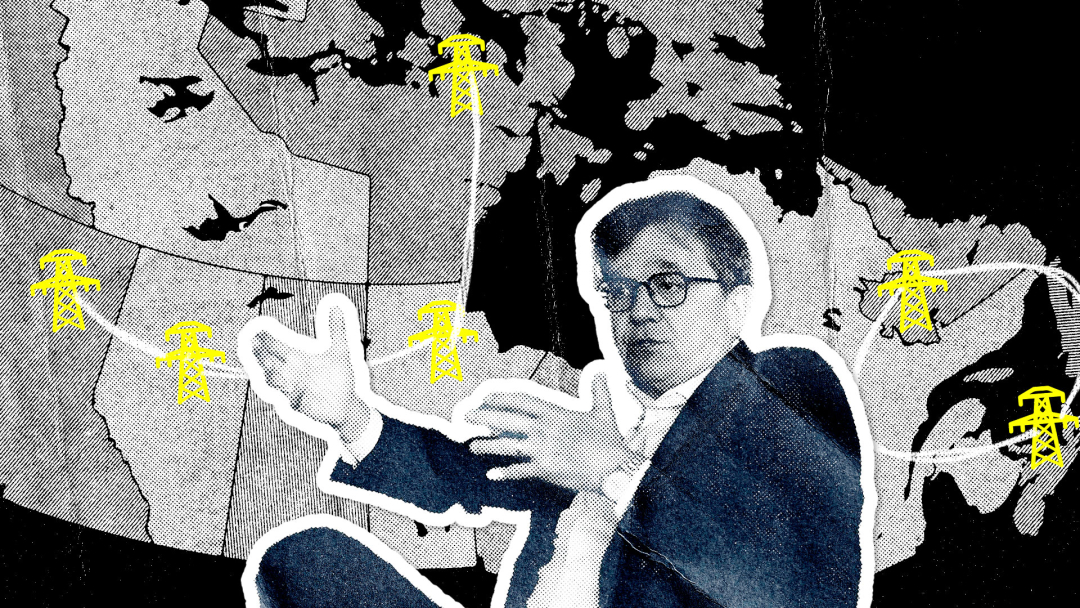
Powering Up Powering Up: Inside Ottawa’s plan to build the clean power grids of the future Clean electricity is the backbone of the energy transition, but building the power grids needed will be a monumental task. Natural Resources and Energy Minister Jonathan Wilkinson sits down with Canada's National Observer to discuss forging the path ahead. John Woodside Natural Resources and Energy Minister Jonathan Wilkinson sits down with Canada's National Observer to discuss how the country can build the clean power grids of the future. Illustration by Ata Ojani/National Observer
Craig Hodge, Christina Seidel & Natasha Tucker We never stopped saying goodbye to single-use plastics
Matteo Cimellaro Could art, literature and music hold the key to responsible critical minerals mining?
Canada can thrive and achieve climate success with or without a carbon tax For climate policy experts, the carbon tax was always meant to be part of the solution, not the dominant climate policy. Bruce Lourie
Race Against Climate Change Germany and the U.K. have cut their climate pollution in half. Here’s how Canada stacks up They’ve been cutting emissions for decades. When are we going to do our fair share? Barry Saxifrage
Race Against Climate Change Prime Minister Brian Mulroney set Canada’s first climate target, way back in 1988. Are we there yet? Barry Saxifrage
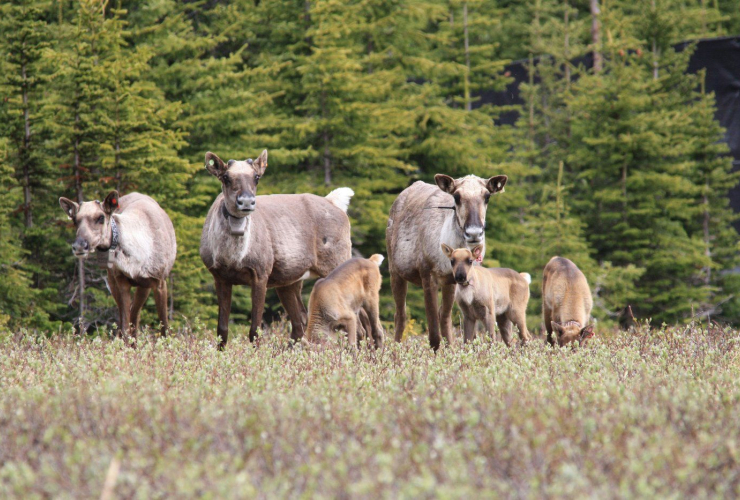
The Canadian Press Large study shows caribou herds in Alberta, B.C., growing from wolf culls, cow pens
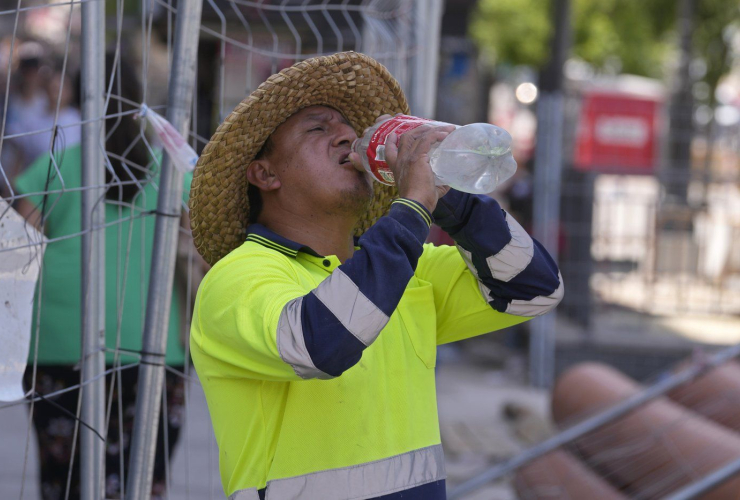
Jamey Keaten UN labour agency report warns of rising threat of excess heat, climate change on world's workers